
Corporate gifting today sits at the intersection of relationship management, brand perception, and corporate alcohol gifts as a strategic category. It is no longer just a seasonal gesture, but a deliberate way to communicate value, reinforce partnerships, and create meaningful touchpoints with clients and stakeholders. At the same time, broader cultural shifts have made people more attentive to how products are perceived in different settings—especially those, like alcohol, that carry strong social signals.
Within this context, the question becomes more nuanced: not just what to send, but whether a specific choice truly aligns with a professional environment. Alcohol can absolutely work in corporate gifting—but only when it is selected with clarity and intention.

Wine: Corporate ✅
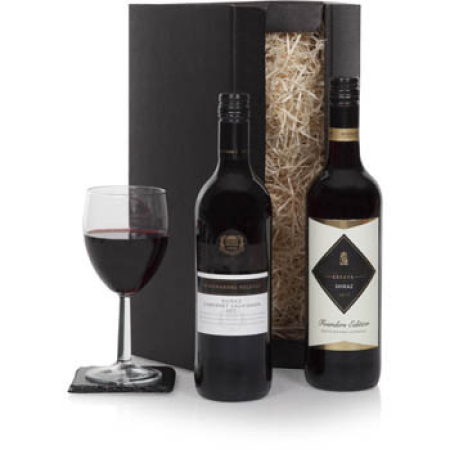
Wine remains the most reliable and widely accepted option in corporate gifting. Its strength lies in its balance—it feels refined without being overly personal, and familiar without becoming generic. This makes it particularly effective across different industries, seniority levels, and regions.
From a strategic perspective, wine allows companies to scale gifting efforts while maintaining consistency and professionalism. It rarely feels out of place, which is precisely what makes it such a strong foundation for B2B gifting programs.
Champagne & Sparkling Wine: Corporate ✅ (When There’s a Reason)

Champagne carries a clear message: celebration. Its impact depends almost entirely on context. When tied to a milestone—such as closing a deal, launching a partnership, or achieving a key objective—it reinforces the significance of that moment.
However, without a defined occasion, it can feel less intentional. In corporate gifting, champagne works best when it tells a story. Without that narrative, it risks becoming just another premium item rather than a meaningful gesture.
Whisky: Corporate ⚖️ (Relationship-Dependent)
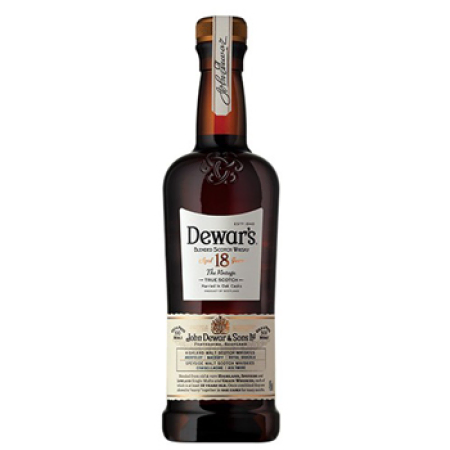
Whisky can elevate a gift, but it requires a more precise approach. It often signals premium taste and consideration, making it particularly effective in relationships where there is already a level of familiarity.
For high-value clients or senior stakeholders, it can feel curated and thoughtful. In broader or less-defined relationships, however, it introduces uncertainty. Unlike wine, it assumes preference—and that assumption can either strengthen or weaken the gesture.
Craft Beer as Corporate Alcohol Gifts ⚖️ (Context Matters)
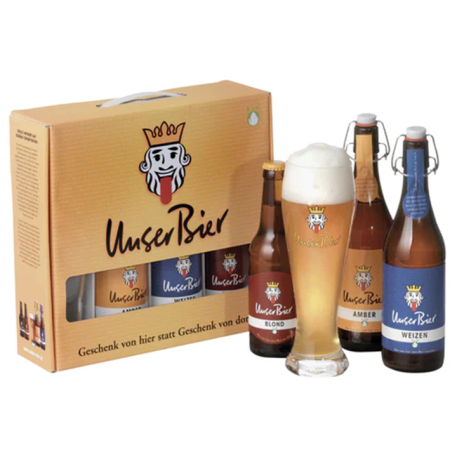
Craft beer represents a more informal and contemporary style of gifting. In the right environment—such as creative industries or modern, fast-paced companies—it can feel authentic and well-aligned with the recipient’s culture.
That said, corporate gifting is heavily influenced by perception. In more traditional sectors, beer may lack the level of refinement expected in a professional exchange. Its effectiveness depends less on the product itself and more on how well it fits the recipient’s environment.
Regular Beer: Corporate ❌

Standard or mass-market beer is generally not considered appropriate for corporate gifting. While it is widely consumed and accessible, it lacks the sense of intentionality and perceived value that business gifting typically requires.
In a professional context, gifting should reflect a certain level of thoughtfulness and brand alignment. Regular beer, especially when not curated or presented as part of a broader experience, can feel too casual or even impersonal. It may work in very informal internal settings, but for client-facing scenarios, it rarely meets the expected standard.
Tequila: Corporate ❌
Tequila, even in its premium forms, tends to fall outside the boundaries of traditional corporate gifting. It is strongly associated with social and celebratory settings that are often more personal than professional.
In most business contexts, it can feel too informal or culturally specific, particularly when there is no clear indication that the recipient would appreciate it. Without that level of insight, it introduces more risk than value.
Cognac: Corporate ❌ (Highly Limited Use)
Cognac carries a premium image, but it is also highly niche. Its distinct profile and strong associations with specific tastes make it less adaptable in corporate environments.
While it may work in very targeted scenarios—such as long-standing relationships or highly personalized gifts—it is not a practical option for broader use. Its specificity limits its effectiveness as part of a scalable gifting strategy.
Other Niche Spirits: Corporate ❌
Beyond the more established categories, many premium spirits fall into a similar challenge: they are too specific to be broadly effective. While they may stand out, that distinctiveness often comes at the cost of universality.
In corporate gifting, consistency and appropriateness tend to outweigh uniqueness. As a result, these options are better reserved for highly individualized gestures rather than standard business practices.
What Defines a Truly Corporate Alcohol Gift
The distinction between what feels corporate and what does not goes far beyond the type of alcohol selected. Context, audience, and execution all play a defining role.
A corporate gift should always be tied to a clear moment—whether it is a milestone, a gesture of appreciation, or an effort to strengthen a relationship. Timing gives the gift purpose, and purpose is what transforms it into a meaningful interaction.
Equally important is an understanding of the recipient. This includes not only personal preferences, but also industry norms, cultural expectations, and company policies. A well-informed choice demonstrates awareness and professionalism.
Finally, presentation shapes perception. Packaging, pairing, and messaging all contribute to how the gift is received. A thoughtful presentation reinforces the intention behind the gesture and elevates its overall impact.
From Gesture to Strategy: Making Corporate Gifting Work
For organizations, the real opportunity lies in moving beyond one-off decisions and building a structured approach to gifting. Alcohol can play a valuable role within that framework, but only when it is used intentionally and consistently.
The most effective corporate gifting strategies are those that align with business objectives, adapt to different audiences, and maintain a clear and professional standard across all touchpoints.
Alignment Is What Defines a Corporate Gift
In corporate gifting, success is not defined by how impressive a gift appears, but by how well it fits. The right choice reflects an understanding of the relationship, the context, and the message being conveyed.
Alcohol gifts, when selected thoughtfully, can strengthen connections and reinforce brand perception. When chosen without that same level of consideration, it can do the opposite.
The difference is not in the product—it is in the alignment.
What’s Next: Elevate Your Corporate Gifting
- Explore our premium corporate alcohol gifts and elevate your client appreciation strategy
- Discover more insights on corporate alcohol gifting — read our blog.
- Join our newsletter and save 10% on your next order while staying inspired with thoughtful gifting idea

Passionate about friends, family, music, soccer, gifts, travel, and lifelong learning, Otavio Ribeiro has been contributing his marketing expertise to Drinkable Gifts as Brand Manager since 2025.
A Brazilian holding dual nationality with Portugal, Otavio also has a deep love for writing. His guiding principle and favorite quote is, “Be so good they can’t ignore you.”