DrinkableGifts Blog

National Drinks

Baijiu: China’s Most Popular Spirit You’ve Probably Never Tried

The room is alive with laughter, clinking glasses, and the rhythmic echo of toasts. At a round banquet table in China, colleagues, friends, and family gather, raising tiny glasses filled with a clear, powerful spirit. Someone calls out “ganbei!”—“dry the glass”—and in one swift motion, everyone drinks together.

This is more than a ritual. It’s a moment of connection, respect, and celebration. And at the center of it all is baijiu, a drink that carries centuries of tradition in every sip.

If you’ve never heard of it, you’re not alone. Yet baijiu is the most consumed spirit in the world, deeply woven into daily life across China. It’s not just a drink—it’s a cultural symbol, a social bridge, and a defining element of Chinese hospitality.

Rum & Rhythm: The Taste of Cuba

There are places where a drink represents a rhythm, a memory, a story passed from one generation to the next. And in Cuba, Cuban rum flows through music, streets, celebrations, and daily life. It lives in the sound of salsa drifting from open windows, in the warmth of evening conversations, and in the pulse of a culture that turns every gathering into a moment worth remembering.

Cuban rum moves smoothly, like a melody, refined and deeply rooted in tradition. To taste it is to experience flavor as well as feel the country’s soul.

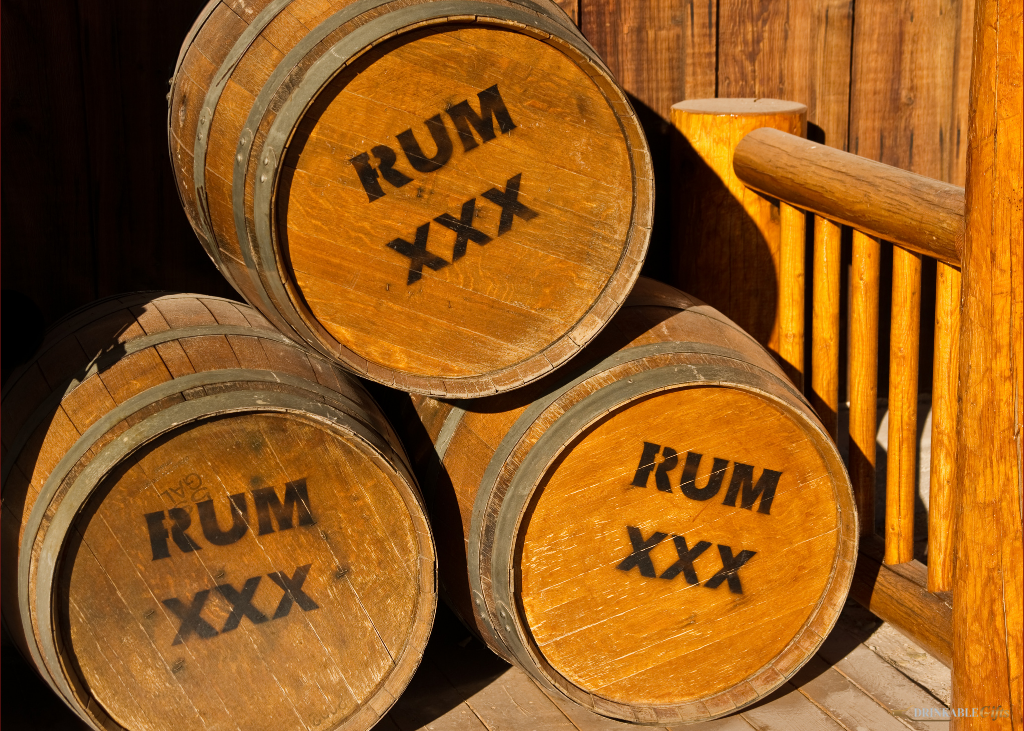
Cuban Rum Barrels

Vodka Stories: From Eastern Europe to a Global Icon

Few spirits are as widely recognized — and as quietly influential — as vodka. Clear, versatile, and endlessly adaptable, vodka has traveled far from its Eastern European roots to become one of the most consumed spirits in the world. Whether enjoyed neat, mixed into classic cocktails, or featured in elegant gift sets, vodka carries a history as rich as the cultures that shaped it.

Much like pisco in Peru and Chile or cachaça in Brazil, vodka is more than just a drink. It’s a symbol of tradition, craftsmanship, and national identity — with a fascinating past that continues to evolve. Let’s explore the history of vodka, its origins, surprising facts, and how it became a staple in modern celebrations and gifting worldwide.

Pisco Passions: Peru and Chile’s Proud Spirit

When it comes to spirits that embody national pride, few drinks can rival the passion that surrounds pisco. In both Peru and Chile, pisco is more than an alcoholic beverage — it’s a cultural symbol, a historical heirloom, and a point of friendly rivalry that continues to this day. Whether sipped neat, mixed into a refreshing Pisco Sour, or shared as part of a celebratory meal, this grape-based spirit tells a story of tradition, innovation, and identity.

And just like cachaça in Brazil or tequila in Mexico, pisco has evolved beyond its borders, capturing the imagination of mixologists and gift-givers worldwide. Let’s take a deep dive into the fascinating journey of this South American treasure — from its origins and production to its unique role in cocktails, culture, and international gifting.

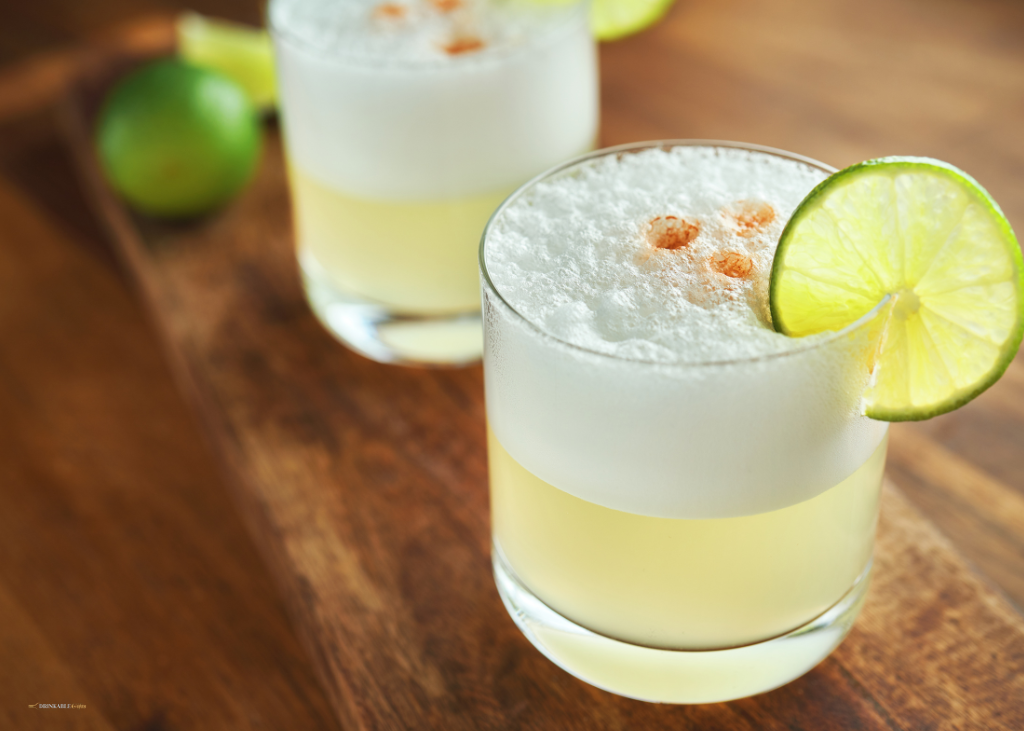
Pisco in Peru and Chile: Pisco Sour Cocktail

Cachaça Secrets: Taste the Heart of Brazil

When you think of Brazil, you probably picture sandy beaches, lively music, and Carnival parades bursting with color. But let me let you in on a little secret: the true soul of Brazil is distilled in a single glass. It’s called cachaça (pronounced ka-shah-sa), and this drink is a story of tradition, flavor, and passion.

As someone who lives in Rio de Janeiro, I see cachaça everywhere—from humble neighborhood bars to the trendiest rooftop lounges overlooking Copacabana. For us Brazilians, cachaça is an ingredient that is integral to who we are. And today, I want to take you on a journey to discover this authentic Brazilian spirit! And show you why it deserves a place in your glass—no matter where in the world you are.

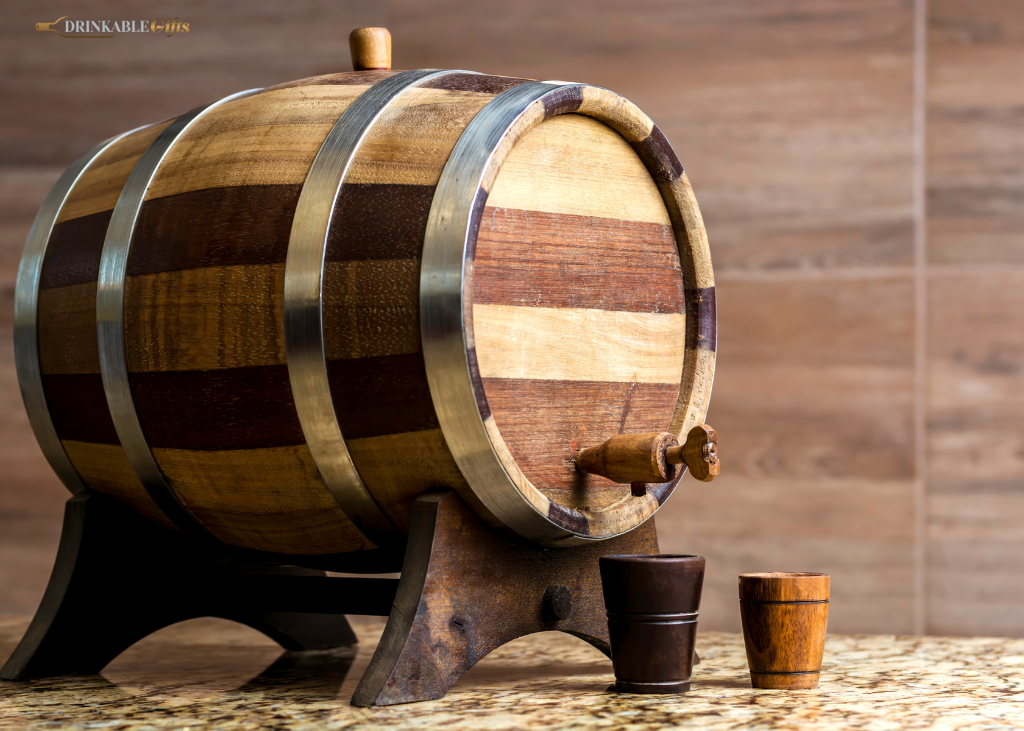
Cachaça Secrets: Taste the Heart of Brazil