
There are places where a drink represents a rhythm, a memory, a story passed from one generation to the next. And in Cuba, Cuban rum flows through music, streets, celebrations, and daily life. It lives in the sound of salsa drifting from open windows, in the warmth of evening conversations, and in the pulse of a culture that turns every gathering into a moment worth remembering.
Cuban rum moves smoothly, like a melody, refined and deeply rooted in tradition. To taste it is to experience flavor as well as feel the country’s soul.
Roots of Cuban Rum
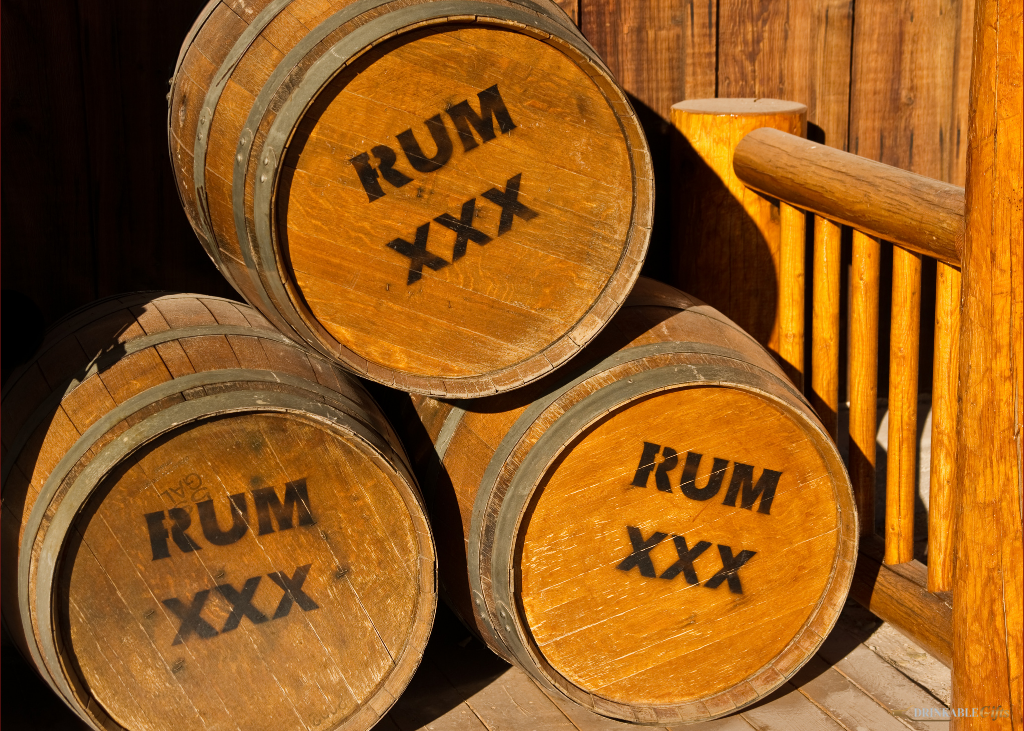
Rum arrived in Cuba through sugar. Rum itself was born in the wider Caribbean during the colonial sugar trade, but Cuba would go on to define one of the most influential and recognizable styles of rum in the world — lighter, smoother, and refined through generations of craftsmanship.
When Spanish colonizers introduced sugarcane to the island, they unknowingly planted the foundation of one of the most iconic spirits in the world. Molasses, a byproduct of sugar production, became the raw material for early distillation, and over time, rum evolved from a functional spirit into a cultural symbol.
The island’s tropical climate, fertile soil, and long growing seasons created ideal conditions for sugarcane cultivation. But Cuban rum was shaped by more than agriculture, it was shaped by people. Farmers, distillers, workers, and communities refined techniques over generations, transforming rum into an expression of national identity.
In Cuba, rum became part of daily rituals: family gatherings, celebrations, milestones, and social life. It was present in both humble homes and grand salons, uniting social classes through shared tradition.
The Craft Behind the Spirit
Cuban rum is known worldwide for its smoothness and elegance, a profile shaped by craftsmanship and patience.
The process begins in the sugarcane fields, where climate and soil quality influence the sweetness and richness of the base material. Molasses is fermented, distilled, and carefully refined to create a clean, light spirit. But the true character of Cuban rum emerges during aging.
Stored in oak barrels under tropical conditions, rum matures faster in Cuba’s heat and humidity, developing soft vanilla notes, warm spice tones, and subtle sweetness. Cuban-style rum is typically lighter and more refined than heavier Caribbean styles, making it versatile, elegant, and incredibly smooth.
This balance between strength and softness is what gives Cuban rum its signature identity, being both complex and timeless.
From Local Tradition to Global Icon
Cuban rum didn’t stay on the island. It traveled with sailors, merchants, musicians, and travelers, spreading its influence far beyond the Caribbean. Along the way, it reshaped global cocktail culture.
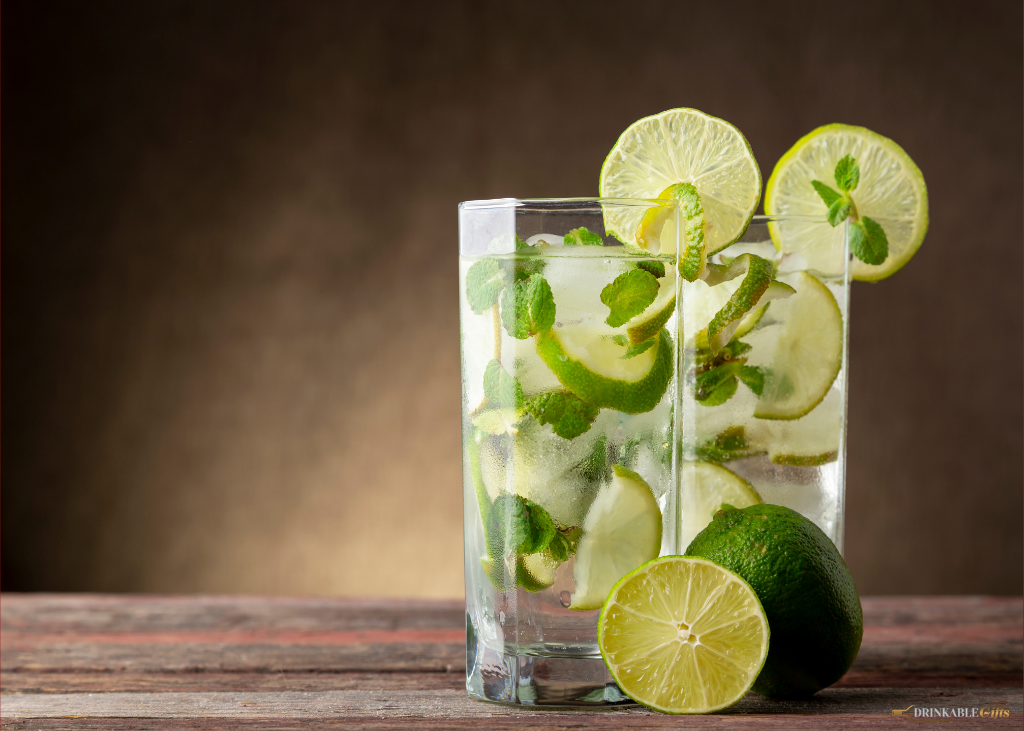
Classic cocktails like the Mojito, Daiquiri, and Cuba Libre became symbols of tropical elegance and relaxed sophistication. While Cuban rum specifically became associated with rhythm and celebration, transforming into a global cultural export.
Through tourism, music, and migration, Cuban rum evolved into an international symbol of joy and movement. One can consider it a drink that carries atmosphere as much as flavor.
Global Names, Cuban Soul
Not only did Cuban rum shape culture — it shaped some of the world’s most recognizable rum brands. As the spirit expanded beyond the island, its identity evolved into global labels that carried Cuban influence into international markets.
Brands like Bacardi, founded in Santiago de Cuba in the 19th century, played a pivotal role in transforming rum from a regional tradition into a global spirit. Bacardi helped define the lighter, smoother rum profile that would become internationally popular, setting new standards for production, refinement, and branding.
As rum entered global pop culture, new expressions and identities emerged. Labels like Malibu introduced flavored rum to mainstream audiences, blending Caribbean spirit with modern lifestyle branding. These brands helped reposition rum not only as a traditional drink, but as a lifestyle symbol associated with leisure, summer, travel, and celebration.
Alongside these global names, premium and heritage-focused rum houses continue to preserve craftsmanship, aging traditions, and regional identity, offering expressions that highlight barrel aging, terroir, and artisanal production methods.
Together, these brands represent different faces of rum: tradition and heritage, innovation and lifestyle, craftsmanship and refinement, and global accessibility.
They show how a spirit rooted in Cuban soil evolved into a worldwide industry, without losing its cultural DNA.
Rum became both heritage and trend, tradition and modernity, local identity and global culture — carried by brands that transformed a national drink into an international symbol.
Rum as Cultural Expression
In Cuba, rum is inseparable from music and movement. It lives in salsa, son cubano, and Afro-Cuban rhythms. It’s present in street festivals, neighborhood gatherings, weddings, birthdays, and everyday moments that turn ordinary days into shared memories.
Rum represents hospitality — the act of welcoming, sharing, and connecting. It’s poured for guests, friends, and strangers alike, symbolizing openness and warmth. When it is shared this way, it represents a social bridge and cultural language.
Each bottle carries stories — of families, traditions, resilience, and identity. Sharing Rum is ultimately a continuity of Cuban heritage.
A Spirit Made for Gifting
This is where rum becomes more than alcohol — it becomes meaning.
Gifting rum isn’t about giving a bottle. It’s about gifting cultural experience. It represents warmth, celebration, hospitality, and connection. It tells a story of place, people, and tradition.
Rum works beautifully as a global gift because it speaks a universal language: celebration, togetherness, and shared moments.
In a world where gifts often become objects, rum becomes an experience — something to be opened, shared, and remembered.
The Rhythm That Travels
Cuban rum carries both history and identity that lives within every pour.
It moves with rhythm, not rush, inviting connection over consumption, and turning moments into memories and gatherings into stories.
Because in Cuba, rum provides a rhythm you can taste. And when that rhythm travels across borders, it doesn’t lose its soul.
You’ve explored Cuban rum culture — what’s next?
Subscribe to our newsletter for updates and exclusive offers
Explore more spirit stories on our blog
Discover our international rum gift delivery options

Passionate about friends, family, music, soccer, gifts, travel, and lifelong learning, Otavio Ribeiro has been contributing his marketing expertise to Drinkable Gifts as Brand Manager since 2025.
A Brazilian holding dual nationality with Portugal, Otavio also has a deep love for writing. His guiding principle and favorite quote is, “Be so good they can’t ignore you.”