
When it comes to spirits that embody national pride, few drinks can rival the passion that surrounds pisco. In both Peru and Chile, pisco is more than an alcoholic beverage — it’s a cultural symbol, a historical heirloom, and a point of friendly rivalry that continues to this day. Whether sipped neat, mixed into a refreshing Pisco Sour, or shared as part of a celebratory meal, this grape-based spirit tells a story of tradition, innovation, and identity.
And just like cachaça in Brazil or tequila in Mexico, pisco has evolved beyond its borders, capturing the imagination of mixologists and gift-givers worldwide. Let’s take a deep dive into the fascinating journey of this South American treasure — from its origins and production to its unique role in cocktails, culture, and international gifting.
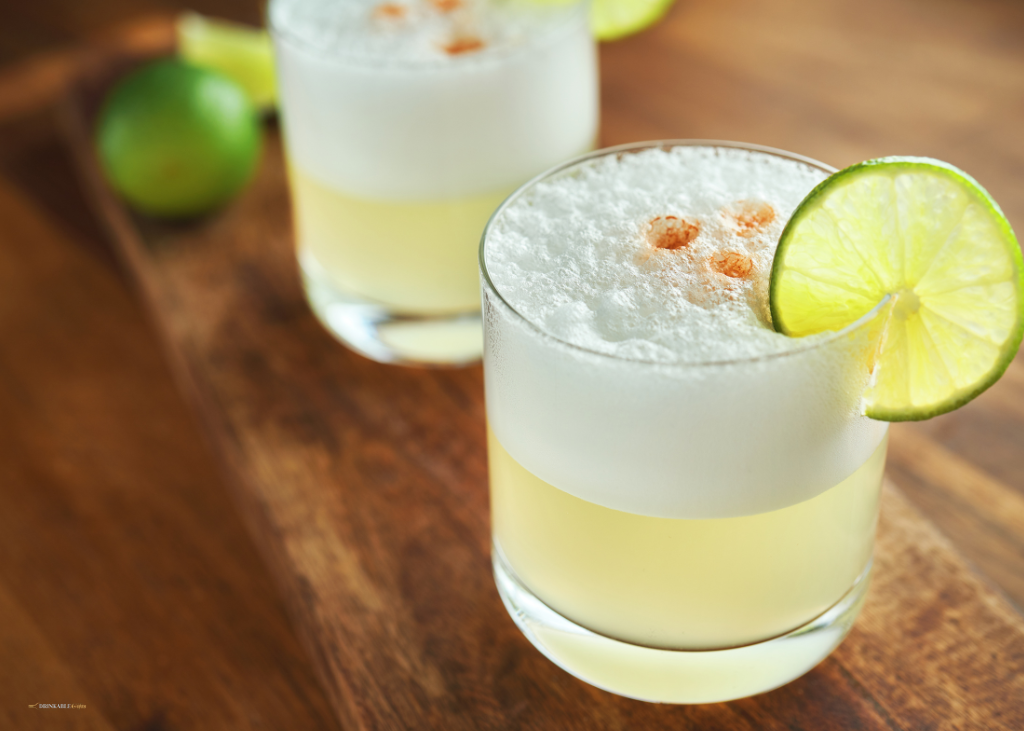
What is Pisco?
At its core, pisco is a grape-distilled spirit — clear, aromatic, and versatile. Unlike brandy or cognac, which are aged in wooden barrels, traditional pisco is aged in non-reactive vessels (like stainless steel or glass), preserving the natural flavors and aromas of the grapes.
The result? A drink that feels pure, vibrant, and expressive of the terroir where the grapes were grown. Depending on the variety, pisco can taste floral, fruity, or even slightly earthy, making it a dream for both sipping straight and experimenting in cocktails.
The History of Pisco: From Vine to Identity
The story of pisco dates back to the 16th century, when Spanish colonizers introduced grapevines to South America. In both Peru and Chile, these vines flourished under the sunny climate and fertile soils.
The word “pisco” itself is believed to come from the Quechua language, meaning “bird,” and was also the name of a Peruvian port city that became a hub for exportation. Over time, the name stuck to the drink itself, linking the spirit to both geography and identity.
By the 18th and 19th centuries, pisco was already a well-established spirit, enjoyed domestically and traded internationally. It became a symbol of cultural resilience and innovation, proving that South America could craft products just as refined and sophisticated as those from Europe.
Peru vs. Chile: A Friendly Rivalry
If you ask a Peruvian where pisco comes from, the answer will be immediate: “Pisco is ours.” Ask a Chilean the same question, and you’ll hear a confident “No, it’s Chilean.”
This spirited rivalry has been ongoing for decades, with both countries claiming to be the original birthplace of pisco. Each has even registered “pisco” as a denomination of origin within their borders, adding a legal dimension to the cultural tug-of-war.
- Peruvian Pisco is produced under very strict regulations: it must be distilled only once, cannot be diluted with water after distillation, and must rest for at least three months in neutral containers. The result is a purer, stronger expression of the grapes.
- Chilean Pisco allows for more flexibility: producers can distill multiple times, adjust the alcohol content, and even age in wood barrels if they choose. This leads to a wider variety of styles and flavors.
Who’s right? In truth, both nations produce exceptional pisco, and perhaps the real joy is in tasting them side by side — and letting your palate decide.
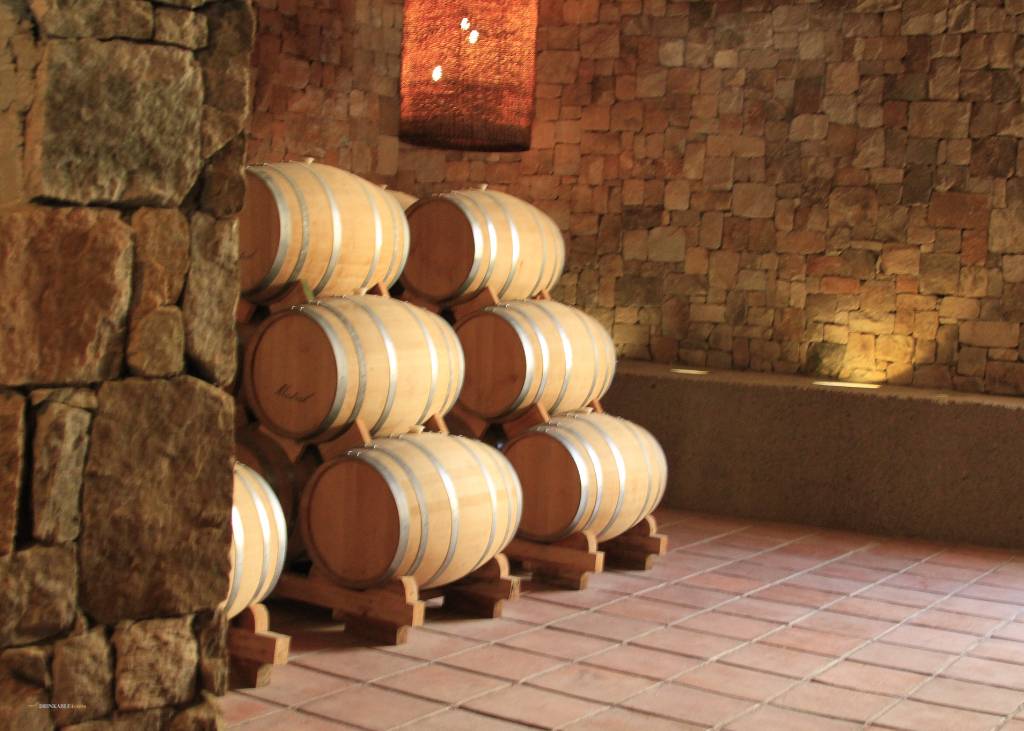
How Pisco is Made
The beauty of pisco lies in its simplicity. Unlike heavily processed spirits, pisco production focuses on respecting the grape’s natural qualities.
- Harvesting: Grapes are harvested during the sunny South American summer, typically between February and April.
- Fermentation: The grapes are crushed, and the juice is fermented into a wine.
- Distillation: The wine is distilled in copper stills — once for Peruvian pisco, and potentially multiple times for Chilean pisco.
- Resting: The spirit rests in stainless steel, glass, or sometimes wood (in Chile), to stabilize and develop character.
From start to finish, the process preserves the grape’s essence, making every sip feel connected to the vineyards of the Andes.
The Pisco Sour: A Cocktail with a Cult Following
No conversation about pisco is complete without mentioning the legendary Pisco Sour. Invented in Lima in the early 20th century by American bartender Victor Vaughen Morris, this cocktail blends pisco with lime juice, simple syrup, egg white, and bitters. The result is frothy, tangy, and endlessly refreshing.
Both Peru and Chile claim the Pisco Sour as their own, and both have official days dedicated to celebrating it. In Peru, the first Saturday of February is Día del Pisco Sour — a national holiday marked by festivals, tastings, and cultural pride.
But pisco isn’t limited to just one cocktail. Mixologists worldwide are experimenting with it in Negroni twists, tropical punches, and even spritzes, proving that this spirit is adaptable and exciting in modern mixology.
Pisco in Peru and Chile: Culture and Celebration
For Peruvians and Chileans alike, pisco isn’t just a drink — it’s part of their cultural DNA. It’s raised in toasts during weddings, shared at family gatherings, and offered to guests as a gesture of hospitality.
In many ways, giving a bottle of pisco as a gift is as symbolic as it is practical: it says, “Here’s a piece of my culture, my pride, my heritage.” That emotional resonance makes pisco especially meaningful in the context of gifting, where the story behind the gift matters as much as the item itself.
Why Pisco Makes a Perfect Gift
At Drinkable Gifts, we know that gifting isn’t just about the product — it’s about the message it carries. Pisco embodies:
- Cultural authenticity: A true taste of Peru and Chile.
- Versatility: Perfect for cocktails, neat sipping, or pairing with food.
- Storytelling power: Every bottle comes with centuries of history and pride.
For recipients abroad, a pisco gift basket can feel like receiving an exotic treasure. Pair it with artisanal chocolates, local delicacies, or elegant glassware, and you’ve transformed a bottle into a full gifting experience.
Beyond Borders: Pisco’s Global Rise
Today, pisco is no longer confined to South American shelves. Bars in New York, London, and Tokyo proudly feature pisco-based cocktails on their menus. Spirits competitions regularly award medals to Peruvian and Chilean brands alike.
This global rise reflects not just the quality of pisco but also a growing curiosity among consumers for unique, authentic spirits. Just as tequila became a global staple and cachaça gained recognition, pisco is stepping into the spotlight.
Pisco: A Spirit Worth Sharing
Whether you side with Peru or Chile in the great pisco debate, one thing is clear: pisco is a spirit worth celebrating. It carries the sunshine of the Andes, the heritage of centuries-old vineyards, and the pride of two nations.
For those looking to give something meaningful, pisco is more than just a bottle — it’s an experience. It’s a conversation starter, a cultural bridge, and a toast to the joy of connection.
So the next time you want to surprise a friend, impress a colleague, or honor a milestone, consider a bottle of pisco. After all, passion tastes best when it’s shared.
You’ve learned about Pisco in Peru and Chile, what next?
- Subscribe to our newsletter for updates and discounts
- Learn more about the Best Alcohol Delivery Services on our blog
- Check our international alcohol gift delivery options!

Passionate about friends, family, music, soccer, gifts, travel, and lifelong learning, Otavio Ribeiro has been contributing his marketing expertise to Drinkable Gifts as Brand Manager since 2025.
A Brazilian holding dual nationality with Portugal, Otavio also has a deep love for writing. His guiding principle and favorite quote is, “Be so good they can’t ignore you.”